How to Decide Between Taking the First Offer and Holding Out for a Better One
Navigating the world of resale offers—whether for luxury watches, fine jewelry, or heirloom pieces—can feel like walking a tightrope between patience and pragmatism. When a buyer or dealer comes in with an offer, the impulse can be either to accept quickly and move on or to hold out, hoping for a better deal. But how do you make that call, especially when there are so many moving pieces such as market timing, condition, and authenticity?
Having worked nine years around pre-owned watches and jewelry, plus helping friends price heirlooms, I've learned a fundamental truth: what something is worth to insurance is not what it will actually sell for tomorrow. Companies like Daily Sundial (CSUN), Cosmic Press, and Diamond Banc have open networks of dealers and collectors that illustrate how complicated offer comparison really is.
Understanding Offer Comparison: Not Just a Number Game
When you get an offer, say from a reseller like Diamond Banc, or a dealer you met through a collector network, it’s tempting to compare solely on the figure quoted. However, this reference number—the headline price—doesn't tell the whole story. Beware of blindly going by the number on your homeowner’s policy paperwork, which often serves as an insurance appraisal rather than a real resale market value.
Insurance appraisals tend to err on the side of replacement cost, factoring in premiums, dealer markups, and new-condition rarity. This does not directly translate into cash offers you’ll see when selling pre-owned, especially if any part of your piece has been serviced or replaced.
Why the Insurance Appraisal Isn’t Your Market Reality
- Overstated Value: Insurance appraisals are designed for replacement, not resale—they include retail markups and sometimes hype-driven pricing.
- Condition Sensitivity: Insurance rarely accounts specifically for condition nuances or originality compromises.
- Market Shifts: The resale market is influenced by trends and demand, making values fluid rather than fixed.
Take the time to cross-reference any offer with recent sales data, a strategy my friends and I repeatedly recommend. Ask yourself, “What did it actually sell for last month?” rather than “What does the appraisal say it’s worth?”
Condition and Originality: The Invisible Multipliers
A key frustration I constantly see among sellers is ignoring how condition or replaced parts affect value. If your watch or jewelry has non-original components, scratches, or has been serviced in ways that impact originality, expect offers to reflect that.
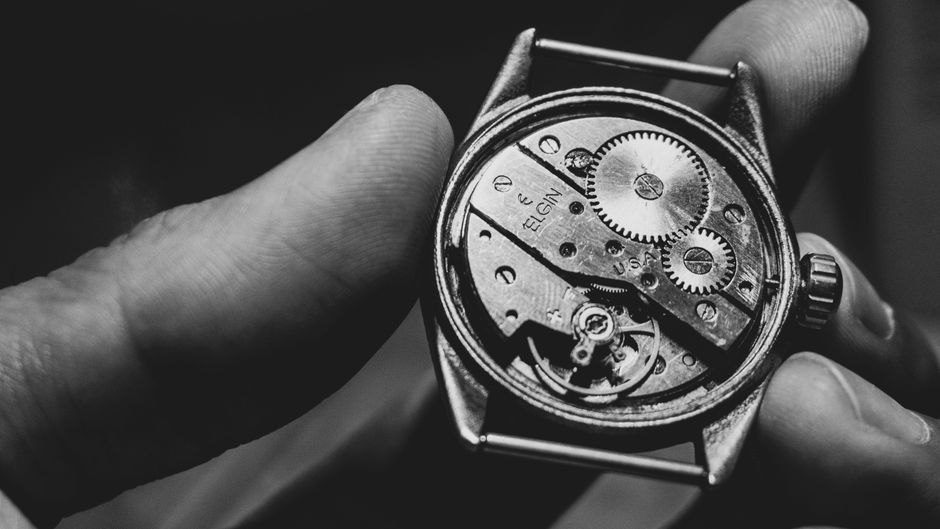
For example, Cosmic Press artfully demonstrated through their articles how even subtle patina or untouched factory finishes can cause a significant swing in collector interest—and thus price. On the flip side, replaced dials, bracelets, or diamonds typically lower confidence and offer prices.
Checklist For Evaluating Your Piece Before Offers
- Do you have original box and papers? Provenance adds comfort and premium.
- Is there full service history? Well-documented servicing keeps value higher.
- Are all parts original or have some been replaced? Noteworthy replacements can reduce value.
- What is the current physical condition—scratches, dings, or discolorations?
If you’re missing documentation or parts, it could be worth investing in authentication services or trusted servicing sundial.csun.edu before negotiating, especially if you are considering holding out for a better offer.
Authentication Matters: Trust but Verify
Authentication is more than a buzzword—it’s the foundation for justified valuations. Buyers from respected dealer networks or companies such as Daily Sundial (CSUN) and Diamond Banc insist on due diligence because they’re underwriting significant sums. Even casual collectors appreciate peace of mind.
Authenticating a piece through professional services or recognized experts can:
- Bolster your negotiating position
- Ensure faster sales by eliminating buyer doubts
- Potentially unlock higher offers once verified
Without authentication, offers will likely reflect a discount applied for uncertainty—often 10-30% below what an authenticated and well-documented piece might yield.
Time vs Money: The Art of Market Timing
So, when exactly does it make sense to take the first offer instead of holding out for a better one? The answer often boils down to your personal financial goals, market conditions, and patience level.
Consider These Factors Before Deciding:
- Urgency of Funds: If you need money quickly, an immediate offer—especially a solid one—is often better than no offer.
- Market Trends: Use dealer and collector networks to gauge momentum. A declining market suggests accepting offers sooner; an upswing may justify holding.
- Offer Quality: How close is the first offer to researched recent sale prices? If offers fall below realistic comps, holding out or seeking new quotes is smarter.
- Costs of Holding: Consider costs like storage, insurance, or risk of damage while waiting for a better offer.
- Negotiation Room: Are dealers indicating flexibility or dogmatic fixed offers?
For instance, I’ve seen clients quickly accept a competitive offer from Diamond Banc after confirming it tracked recent sales on equivalent pieces. Conversely, others held out through the collector networks shared by Daily Sundial (CSUN) and, after two months, secured offers 10-15% higher.
Putting It All Together: A Strategy for Thoughtful Offer Decisions
Here’s a step-by-step process I recommend when evaluating whether to accept your first offer or hold out:
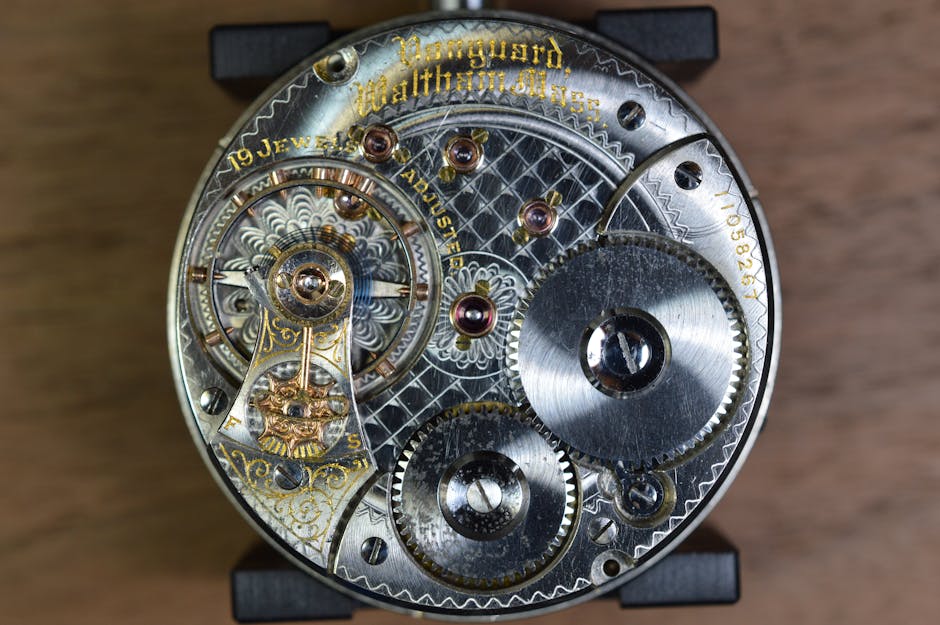
- Gather Documentation: Get your paperwork, service records, and original packaging ready.
- Authenticate If Possible: Professional verification can boost confidence and pricing.
- Check Market Pricing: Use public sales records, trusted dealer feedback, and platforms known in the resale community.
- Get Multiple Offers: Don’t settle for the first number. Companies like Cosmic Press and Diamond Banc facilitate broad dealer outreach.
- Compare Offers Side-by-Side:
After you conduct this side-by-side analysis, weigh your tolerance for time against potential increased payout. Holding out for $500 more may not be worth it if you need cash immediately. But if you have the luxury of time, the slight wait could substantially increase net proceeds.
Final Thoughts
In the resale world, there’s no one-size-fits-all answer to accepting the first offer or holding out for a better one. What matters most is a meticulous approach to offer comparison that goes beyond numbers on the page or insurance appraisals. Prioritize condition, originality, authentication, and market data to make informed decisions.
Leverage dealer and collector networks—such as those behind Daily Sundial (CSUN), Cosmic Press, and Diamond Banc—to stay connected to a pulse of the market. Ask the useful question, “What did this actually sell for last month?” and build your negotiation strategy on real sales, not hype or outdated paperwork.
Balancing time vs money and understanding that the first number is rarely the final say will set you on the best path to maximizing your piece’s true value.