Why Dealer Sales Matter More Than MSRP for Rolex Prices
If you’ve been shopping for a Rolex, you’ve undoubtedly noticed a big gap between the Manufacturer's Suggested Retail Price (MSRP) and what buyers actually pay on the secondary market. This discrepancy often confuses newcomers and even seasoned collectors — especially given Rolex’s near-mythical status in both luxury watchmaking and investment circles. But here’s a crucial reality check: when it comes to understanding real Rolex values, dealer sales are far more meaningful than MSRP stickers.
Why MSRP Doesn’t Tell the Whole Story
The MSRP is the price set by Rolex for brand-new watches sold through authorized dealers. It represents a baseline, a manufacturer’s pricing guideline — but rarely a transactional reality. Here are some key reasons why relying on MSRP as a measure of value can be misleading:

- MSRP does not account for scarcity or demand flux. New models that are highly coveted often sell out immediately, frustrating buyers who must turn to the secondary market where prices can vary widely.
- Discontinued models become rare collectibles. Once a reference is discontinued, no new examples are available from authorized dealers, pushing demand to pre-owned inventories where MSRP becomes irrelevant.
- Authorized dealers are subject to allocation limits. Rolex controls supply tightly, sometimes making it impossible even for authorized dealers to meet demand at MSRP.
- MSRP excludes secondary market premiums. Limited editions, rare dial variations, or watches in pristine condition can sell well above MSRP due to collector enthusiasm.
The Importance of Dealer Sales and Transaction Comps
For a realistic valuation, the watch community and professionals like those at Diamond Banc and trusted sites such as Market Realist rely heavily on actual transaction data. This means looking at where and how much Rolex watches are genuinely selling for — not just what dealers say their prices are, but verified sales between dealers, resellers, and collectors.
What Are Dealer Comps, and Why Do They Matter?
Dealer comps Rolex refers to comparable sales data drawn from verified transactions in the secondary market. These comps provide a reality check on valuation, reflecting what buyers are willing to pay and sellers are willing to accept at a given moment.
Unlike MSRP, dealer comps adjust naturally for:
- Market Supply and Demand: When supply tightens, secondary prices rise. When new models launch or more examples enter circulation, prices can stabilize or even fall.
- Condition and Provenance: Dealer comps consider condition, completeness (box and papers), and provenance — aspects MSRP does not impact.
- Geographic Variations: Different regions may have distinct pricing due to local demand or tax environments, something dealer sales reveal better than MSRP alone.
Secondary Market Dynamics: The Power of Scarcity and Collector Demand
Rolex’s secondary market essentially operates as an ecosystem where scarcity caused by discontinuation, combined with shifting collector preferences, creates dynamic pricing patterns that MSRP cannot capture.
Consider the simple reality: once Rolex ceases production of a reference, no new units can ever re-enter the market from an authorized source. This scarcity is a major driver for collector demand — and often causes prices to climb well beyond original MSRP.
Collector demand itself moves in cycles, influenced by factors such as:
- Pop culture and celebrity exposure
- Vintage trends and auction highlights
- Economic conditions influencing luxury spending
- Rolex’s ongoing innovation and model refresh strategies
Dealer sales, unlike static MSRP listings, reflect these diamond banc offer ever-evolving influences in real-time.
Using Auction Results and Dealer Sales for Accurate Price Insights
Among the tools used to gauge rolex resale price is a combination of recent auction results and verified dealer sales. Here’s why these tools are invaluable:
- Auction results provide transparent sale prices backed by a public bidding process — a direct expression of true collector willingness to pay.
- Dealer sales offer insight into private market transactional trends, filling gaps between auction highlights and everyday retail activity.
By monitoring these data points closely, platforms like Market Realist and expert buyers at Diamond Banc can triangulate a more accurate, up-to-date value range for Rolex models. This approach is far more reliable than basing valuations on MSRP or speculative pricing claims that lack real sales evidence.
Quick Reality-Check: What Did That Rolex Actually Sell For Last Week?
Whenever someone quotes a price for a Rolex, the essential question should be: “What did it actually sell for last week (or last month)?” This question helps distinguish between:
- Replacement Value: The cost of buying a new equivalent Rolex at MSRP or slightly above via authorized dealer channels (if availability allows).
- Resale Value: The price a watch commands in a completed, verifiable dealer or auction transaction — the real price of buying or selling pre-owned.
Remember, insurance appraisals or insurance replacement values https://dibz.me/blog/why-is-my-old-rolex-receipt-useless-for-pricing-it-now-1244 often confuse these two distinct concepts, inflating perceived market price without transactional backing.
Summary: Why Dealer Sales Trump MSRP for Rolex Pricing
Aspect MSRP Dealer Sales & Transaction Comps Basis of Price Manufacturer Suggested Retail Price — fixed guideline from Rolex Actual completed sales between dealers, resellers, and collectors Reflects Market Scarcity No — MSRP is static regardless of scarcity or discontinuation Yes — scarcity and collector demand impact prices dynamically Incorporates Condition & Provenance No — uniform MSRP regardless of watch condition Yes — dealer comps adjust for condition, completeness, and origin Geographic Pricing Variations Limited — MSRP usually standardized by region but doesn’t reflect price fluctuations Yes — dealer sales reveal regional pricing nuances Influenced by Collector Cycles No Yes — pricing evolves as collector preferences and market conditions changeFinal Thoughts
For anyone seeking a true understanding of Rolex Secondary Market pricing, fixating on MSRP alone is a common but critical mistake. Instead, tuning in to dealer comps Rolex provides a grounded, transactional perspective that reflects Rolex resale price in the real world. The interplay of scarcity from discontinuation, collector demand dynamics, and verified auction and dealer sales data is where the real story of Rolex values is told.
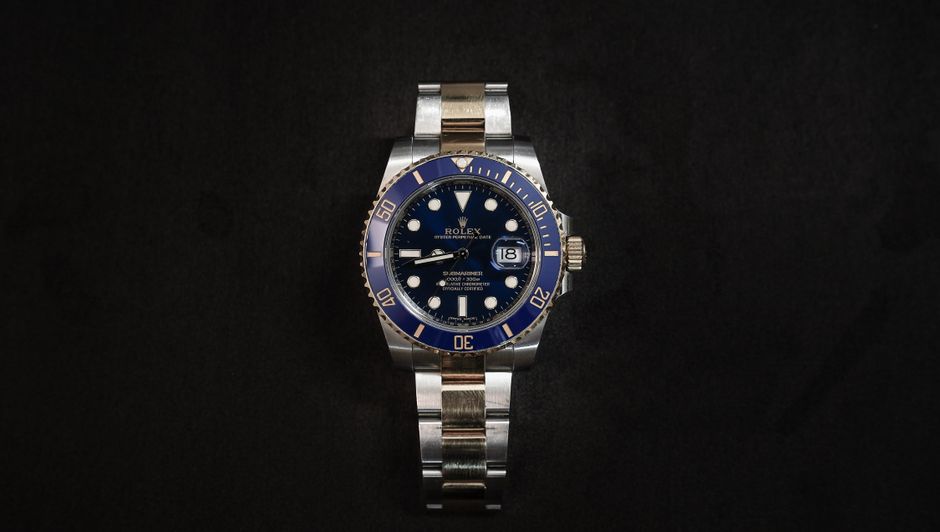
Next time you hear a claim about what a Rolex “should” cost, ask yourself: “What did it actually sell for last week?” Because that’s the question that separates hyperbole from reality.